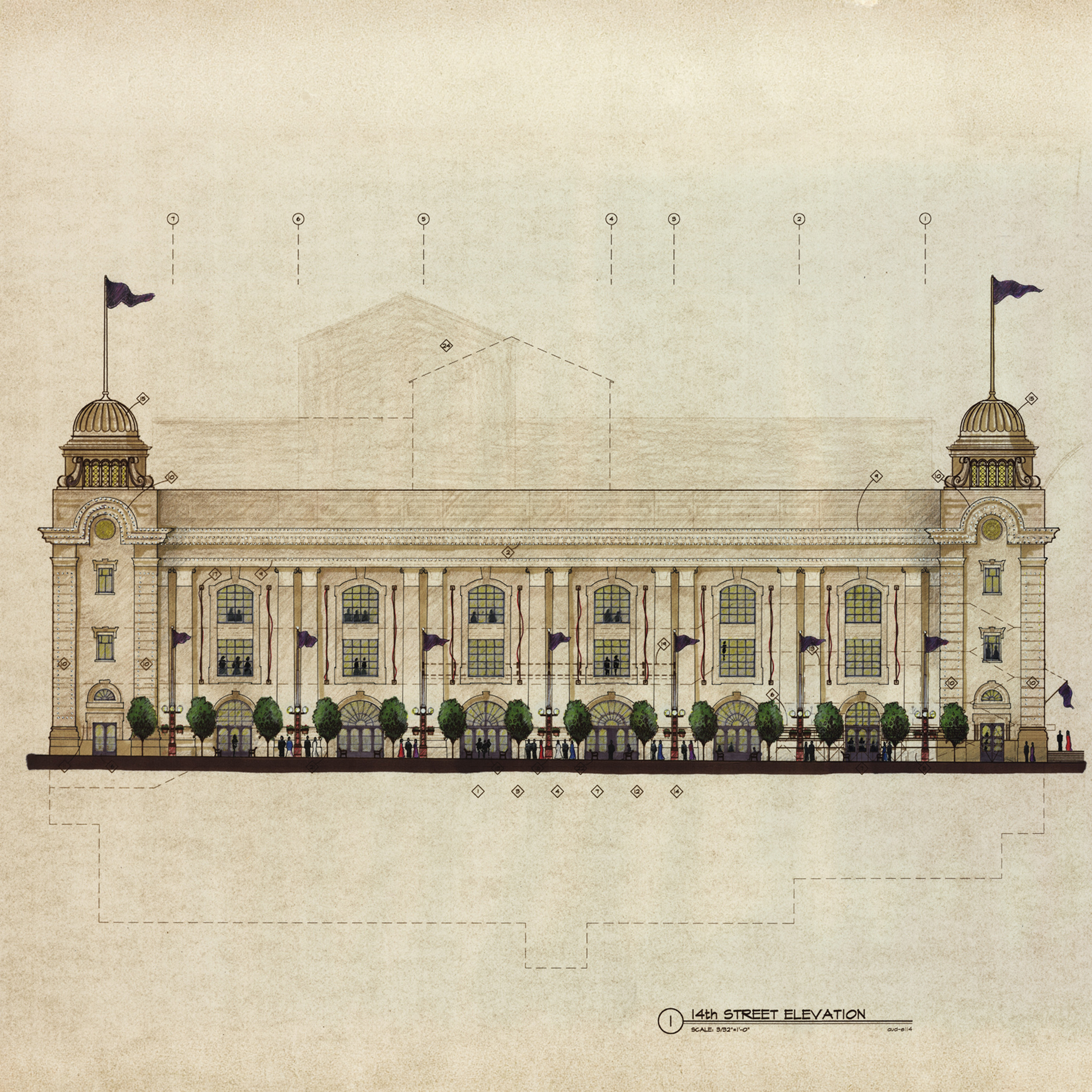
Still Standing: Revisiting the Midwest Theater
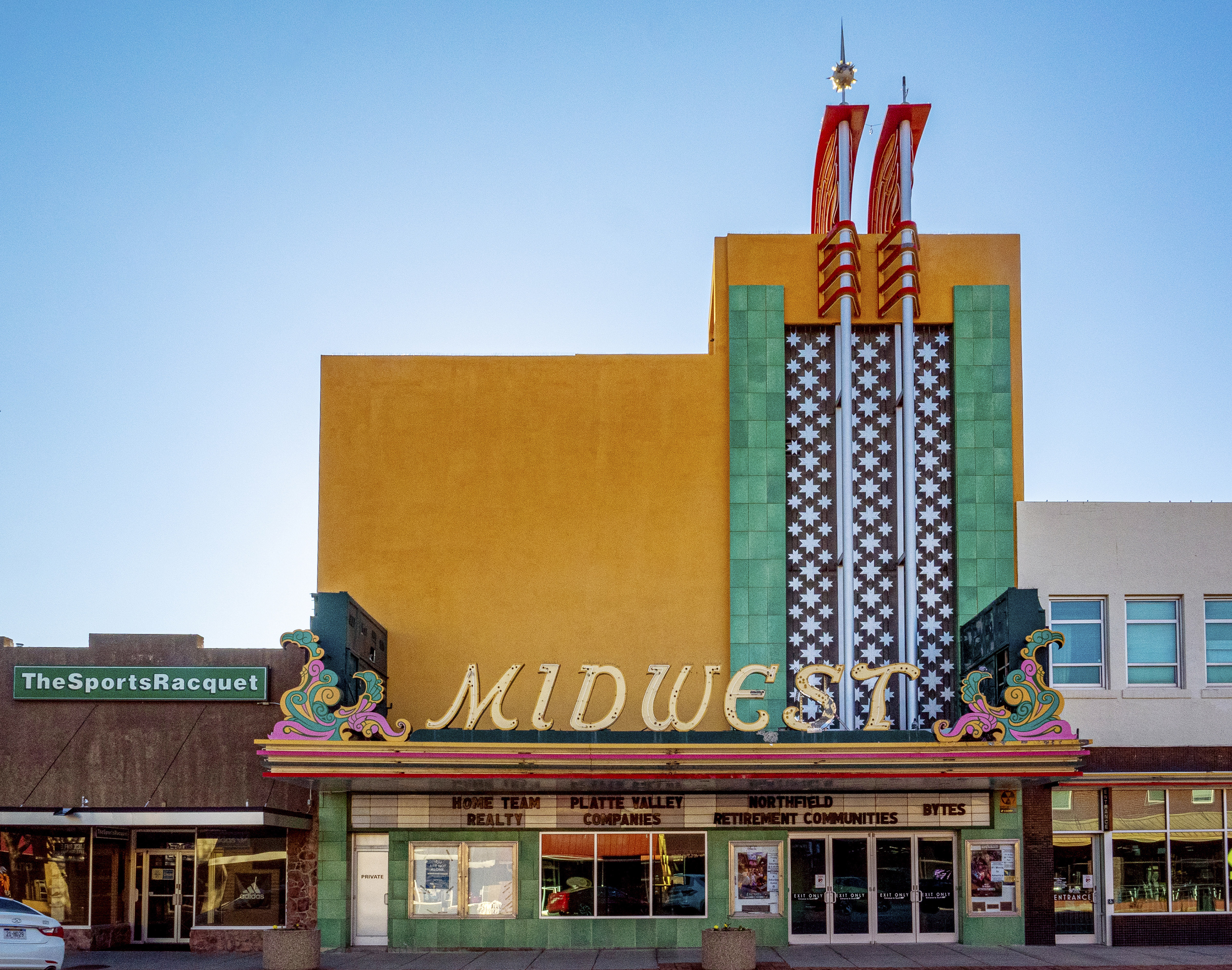
It’s a small world…
I recently returned to my hometown of Scottsbluff, Nebraska, where I spent a Saturday morning outside my favorite coffee shop, next door to the historic Midwest Theater. My personal pride in the theater, and in its current importance as a community resource, was recently reinforced by its inclusion in Architectural Digest’s list of The 9 Most Beautiful Historical Movie Theaters in the US. The article was inspired by Benita VanWinkle’s beautiful book, America’s Hometown Movie Theaters; Please Remain Standing, which she both wrote and photographed. Benita happened to be scheduled to give a presentation at the theater and sign copies of her book that very afternoon.
At the event I had the great pleasure of talking with Benita, her publisher, and members of the Midwest’s staff. We talked about the special nature of places like the Midwest and what it takes to keep them alive. Perhaps the most important ingredient in the Midwest’s success is captured in Benita’s observation, quoted by Architectural Digest, “There are history keepers in every region. But I think the Midwest is kind of exceptional because those places survived by sheer will, hard work, and memories of people that were gonna save what they had.”
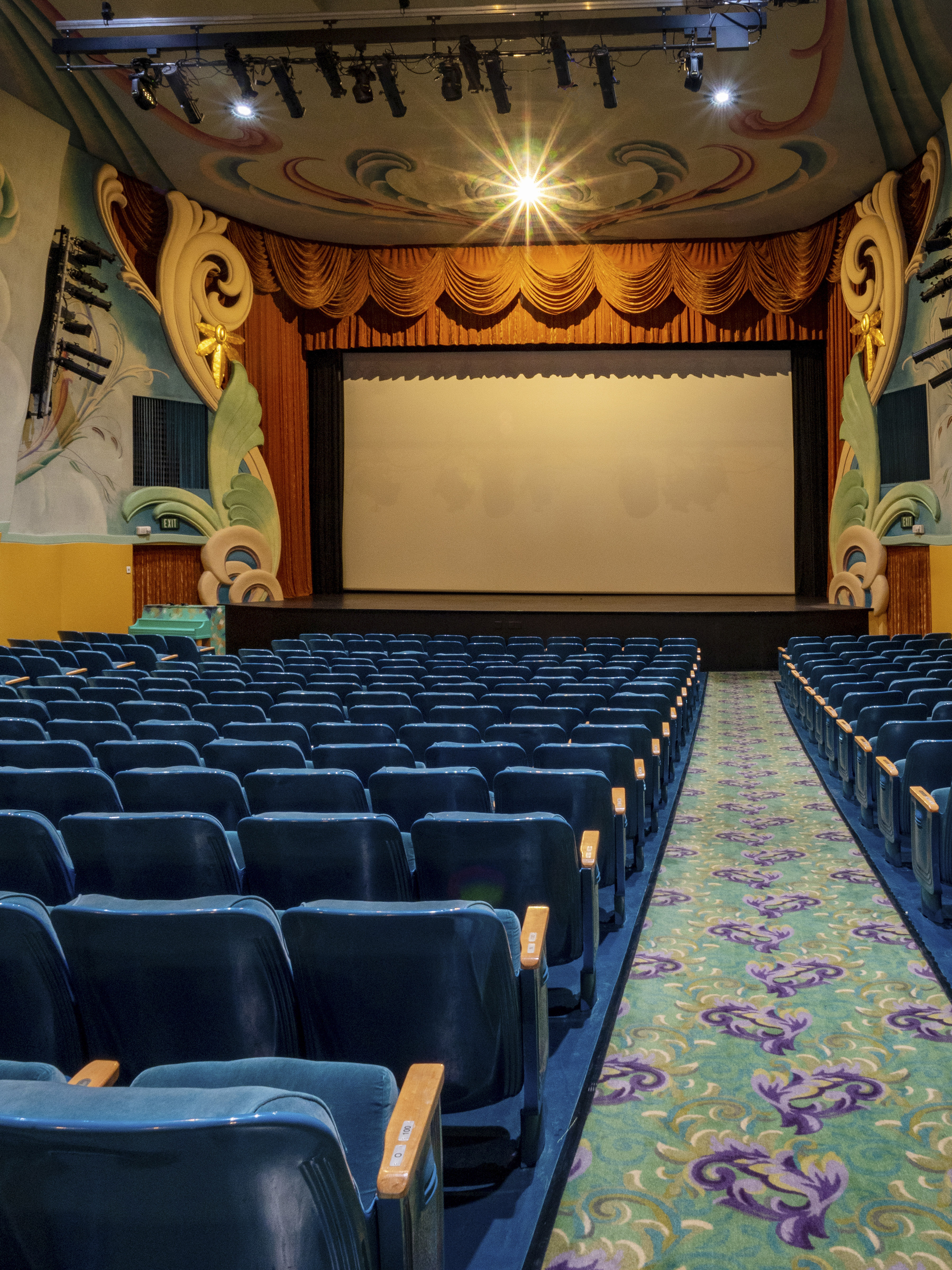
Semple Brown and I have worked intermittently with the Midwest for nearly 30 years, and it remains one of the most personally gratifying projects of my career. When we started, the Midwest was a largely inactive movie palace that had fallen victim to the industry’s shift toward technologically advanced multiplexes at the mall. We worked with the Friends of the Midwest Theater to sensitively transform the historic cinema into a multipurpose event facility while preserving the integrity of its original design.
Much of this work was accomplished by renovating the adjacent former five-and-dime store, purchased by the Friends, and locating new program and circulation elements within its footprint. The project added accessible routes to the stage and historic lobby, dressing rooms, a rehearsal space, concessions, and accessible restrooms.
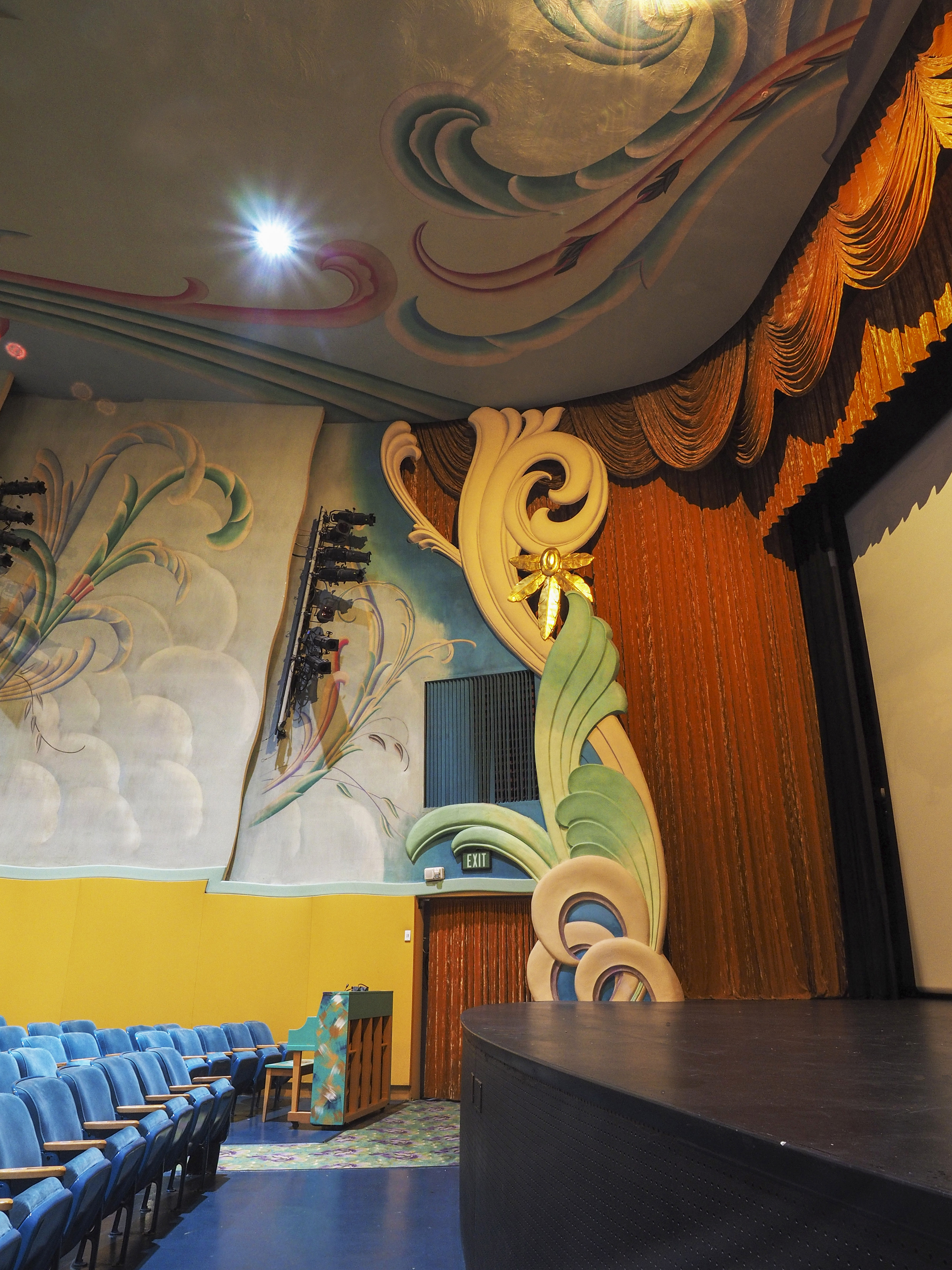
This approach allowed the theater itself to remain largely intact and prepared it for the careful restoration of its rich historic detailing. More surgical additions increased its flexibility, including enlarging the original platform below the screen to create a performance stage and, over time, adding overhead and side lighting trusses and a modern sound system.
The Midwest Theater is a wonderful example of what can happen when a community recognizes the value of a historic place and commits itself to ensuring that it continues to serve future generations.
All images: Benita VanWinkle, Author and Photographer, America's Hometown Movie Theaters: Please Remain Standing.