Building a Ship in a Bottle: Semple Brown Design's Ellie Caulkins Opera House Celebrates 20 Years
As the Ellie Caulkins Opera House marks its 20th anniversary with this year's Grand Gala, it's an opportune moment to reflect on one of Denver's most ambitious architectural transformations—a project that literally built a world-class opera house inside a historic shell.
When Semple Brown Design took on the challenge of creating a 2,268-seat opera house within the 1908 Municipal Auditorium, construction workers coined a perfect phrase for the endeavor: "like building a ship in a bottle."
The Challenge: Preservation Meets Innovation
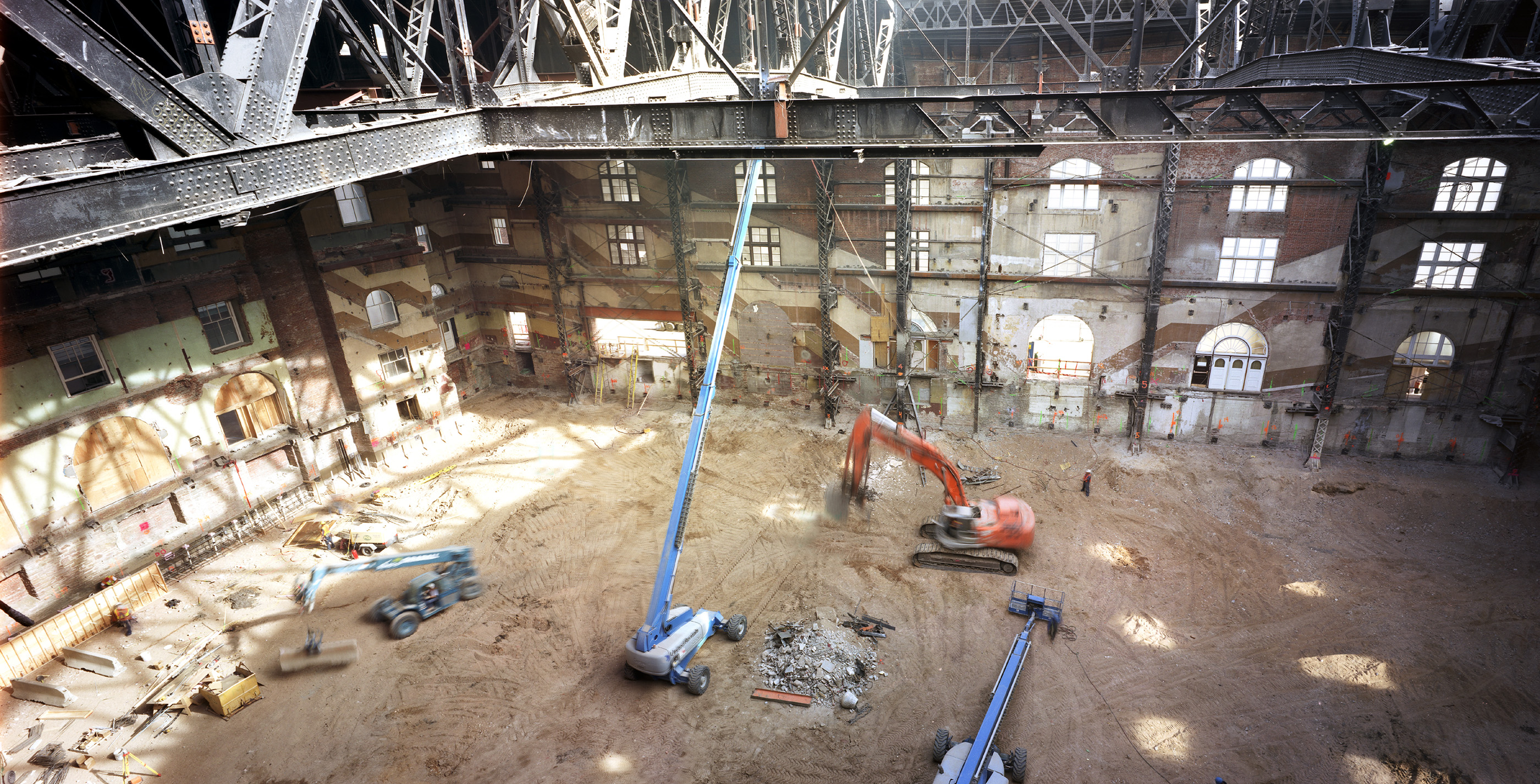
The unique structure of the 1905 Municipal Auditorium provided a singular head-start: the roof trusses span all the way from one side of the building to the other without interior columns. This allowed gutting all of the interior elements added in the 1950s and 1960s while preserving its iconic brick facade. Working within these constraints, Semple Brown Design had to fit a complete opera house, a 24,000-square-foot lobby, expanded performer facilities, and infrastructure for later additions of offices and an event venue—all while strictly adhering to a $92 million budget.
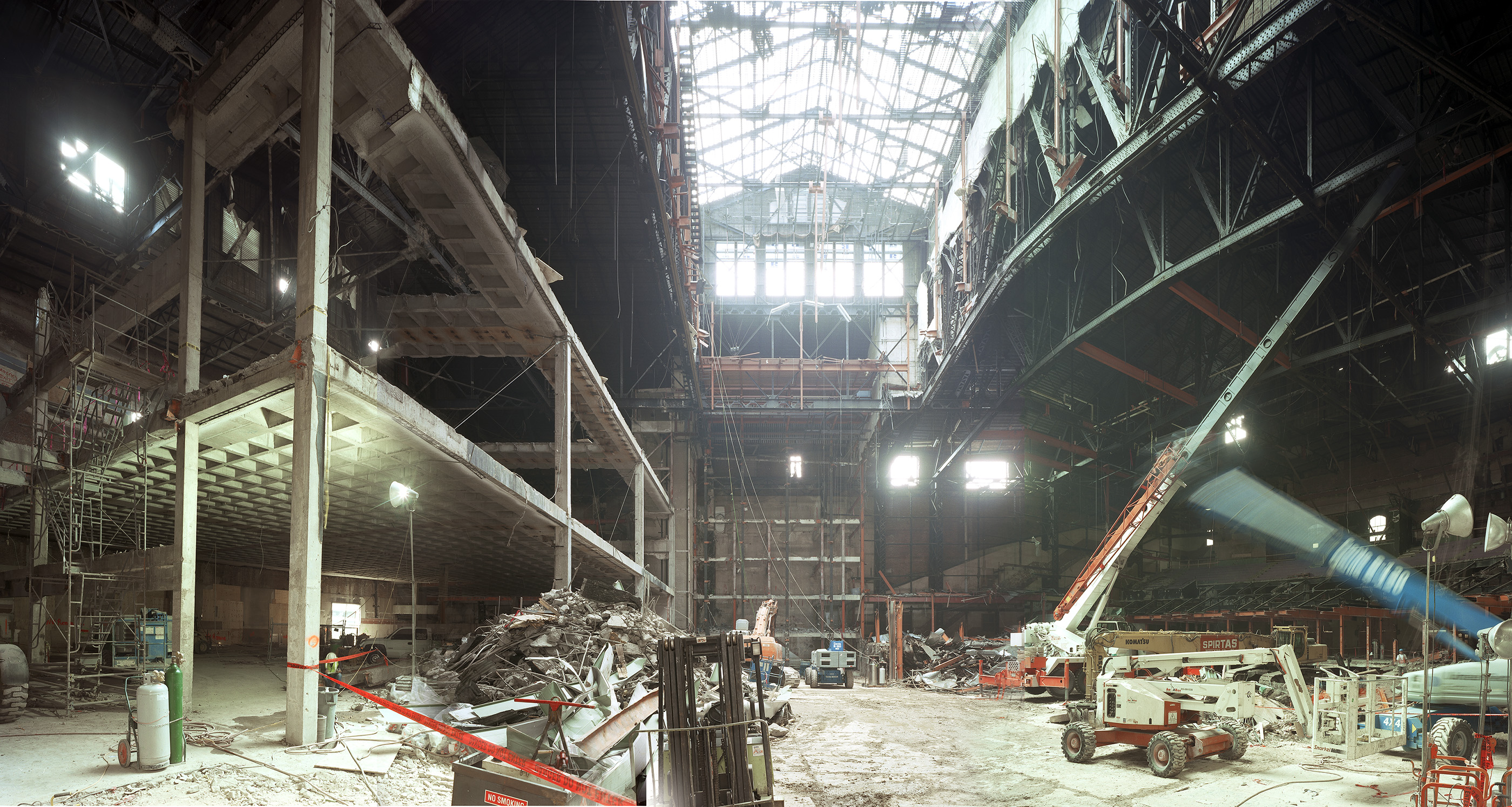
With no exterior staging area, construction crews assembled cranes inside the building and moved them with other cranes. More than 400 workers built from the ground up and the roof down simultaneously, using scaffolding to install mechanical systems, inner walls, and multiple levels of seating.
Architectural Solutions: Timeless Design Within Historic Constraints
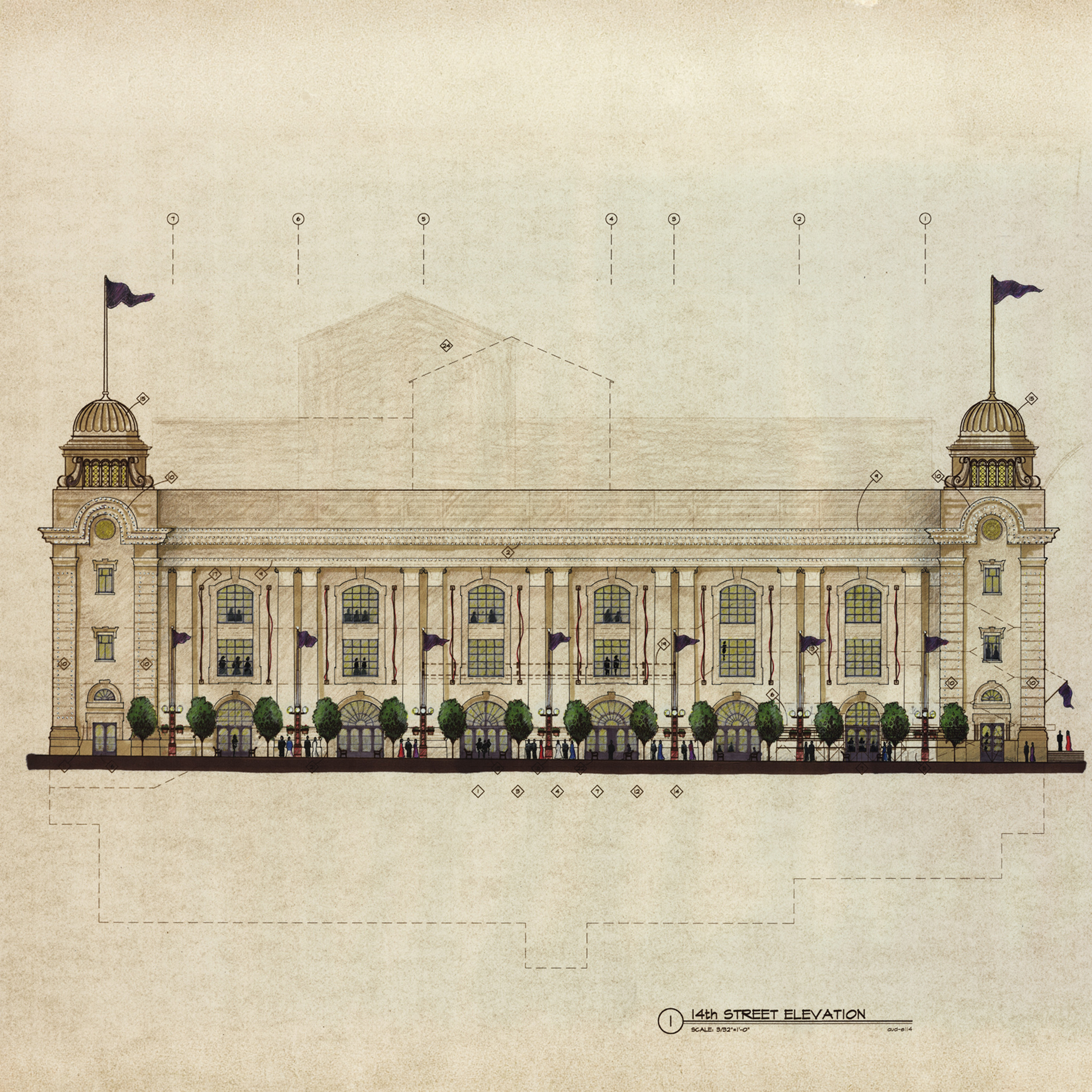
Semple Brown Design's approach balanced historic preservation with contemporary needs, creating what designers called a "modern interpretation of a classic form." The firm chose the lyric opera house design—inspired by the curve of a lyre—a form shared by prestigious venues like London's Royal Opera House at Covent Garden and Philadelphia's Academy of Music.

The design achieved several critical improvements over the previous Auditorium Theatre:
- The furthest seat sits just 113 feet from the stage, compared to 137 feet in the old configuration; in addition, more seats are closer to the stage.
- Restroom capacity was significantly increased and distributed across all levels of seating.
- Adjustable acoustics to allow amplified performances as well as unamplified.
- A new loading dock with space for two trucks.
The lyric form also had an important acoustical advantage: it had been demonstrated successful in multiple locations.

Acoustic Excellence Through Architectural Design
The opera house was designed for completely unamplified performances—a significant technical challenge that required precise architectural acoustics. Semple Brown Design incorporated multiple acoustic innovations:
- Serrated walls near the stage create angled surfaces that reflect sound toward center orchestra seats
- A sophisticated ceiling system combines hanging panels with attic openings, balancing sound reflection with natural reverberation
- Strategic wall treatments with reflective surfaces near the stage and absorptive fabric farther back to prevent excessive echo
- Stepped balconies rather than stacked pancake-style, ensuring all seats receive reflected sound
- A 12-inch concrete wall wrapping the seating area to block external noise
The orchestra pit itself features two hydraulic elevators that can be positioned at different heights to balance orchestral sections, with two movable walls on their own separate lifts to reflect the orchestra’s sound back to the stage.
Unexpected Discoveries and Adaptive Solutions
Historic preservation projects always bring surprises. During demolition, Semple Brown Design made a fortuitous discovery: the original sandstone foundation walls remained in exceptional condition. Rather than cover them, the architects exposed these historic stones as a featured wall in the downstairs Chambers-Grant Salon, filling in historic light wells with complementary—but distinguishable—new stone.
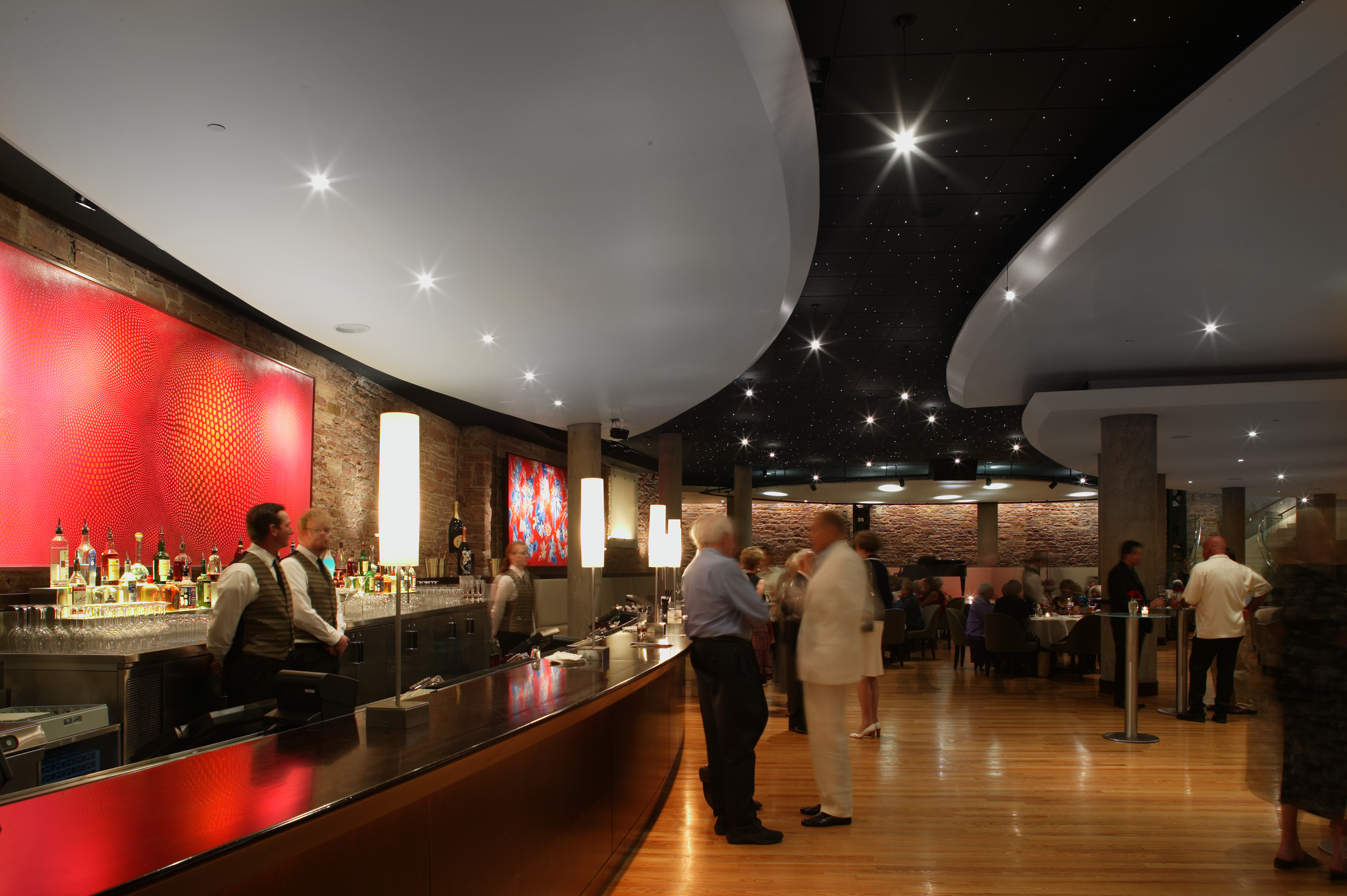
Design Philosophy: Honest Materials, Timeless Approach
The design of the new interior consciously works to show off the building’s history. The result is a space characterized by simplicity and clarity rather than excessive ornamentation.
Corner staircases feature glass railing panels, flooding the lobby with natural light from previously blocked windows. A curved "drum" wall guides circulation, pulling visitors naturally to the sides. The exposed structural columns make the history of the building visible.
The stacked lobby mirrors the layers of seating in the hall – providing unique vantage points for social interaction before or after the performance.
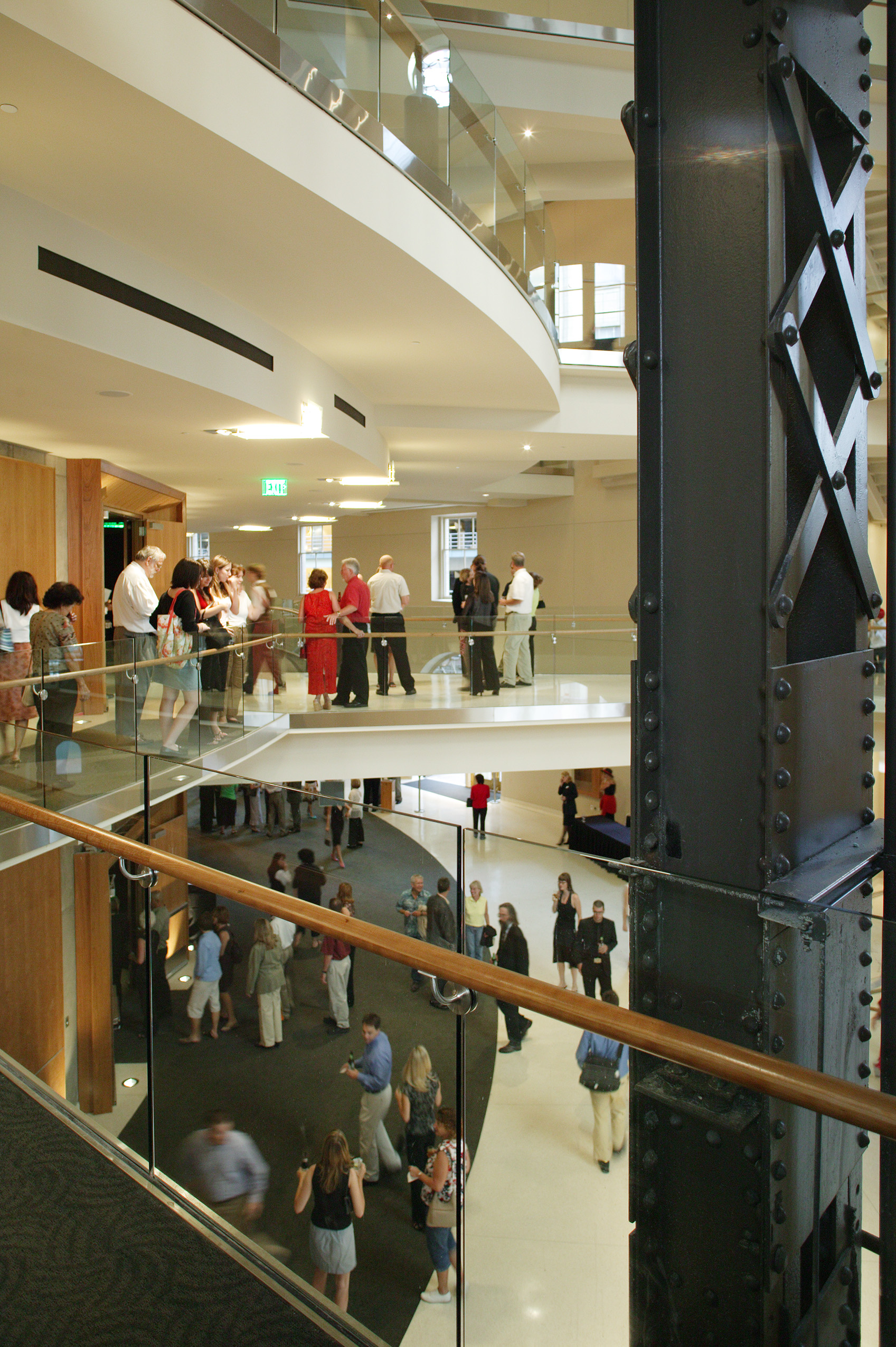
Two Decades of Cultural Impact
Twenty years later, Semple Brown Design's vision has proven prescient. The Ellie Caulkins Opera House has become what Denver's Division of Theatres and Arenas Director Jack Finlaw called the "crown jewel" in the nation's second-largest performing arts complex. It gave Opera Colorado and Colorado Ballet a proper home for unamplified performances, elevating Denver's status as a cultural destination.
In addition to opera and ballet performances, the hall has proven successful for film screenings, Broadway musicals and concerts—filling a gap in the Performing Arts Complex’s inventory of spaces and increasing its economic value to downtown Denver.
As the opera house celebrates its 20th anniversary with this year's Grand Gala, Semple Brown Design's achievement stands as a testament to the power of thoughtful architecture to transform both buildings and communities. The firm successfully navigated the complex interplay of historic preservation, acoustic science, budget constraints, and contemporary needs—all while creating a space that has served Denver's cultural community beautifully for two decades.
Learn more about the 20th anniversary celebration:
• Celebrating 20 Years at the Ellie Caulkins Opera House